How to Select the Right General Contractor for Your Home Renovation Project
Choosing the best construction professional is crucial for a productive home renovation. Property owners must consider multiple factors, including background, credentials, and communication skills. A well-informed decision can avoid expensive errors and guarantee a better-managed process. However, navigating through the contractor evaluation process can be overwhelming. What specific aspects should one consider? What inquiries are necessary during preliminary meetings? Recognizing these considerations can profoundly affect the renovation experience.
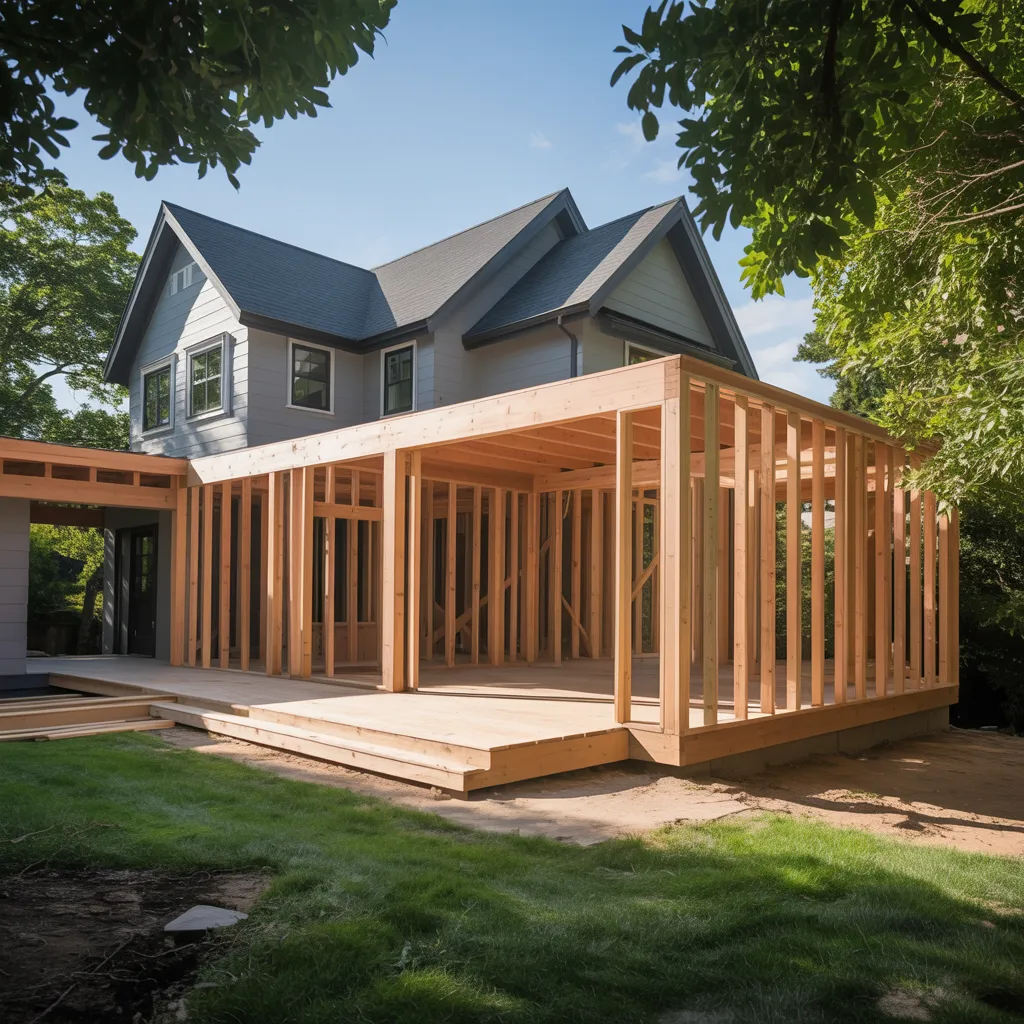
What Experience Do You Need to Look for in a Contractor?
When selecting a professional contractor for home renovation, it is important to take into account their professional background. A contractor's track record can significantly impact the efficiency and quality of the renovation process. Initially, potential clients should look for contractors with a proven track record in comparable projects, guaranteeing knowledge of unique challenges and proven solutions.
In addition, years in the industry can reflect a contractor's capability to handle timelines, budgets, and subcontractors effectively. It is equally important to ask about their portfolio, featuring prior work that corresponds with the homeowner's desired outcome.
Furthermore, contractors experienced in area-specific building codes and requirements can help avoid possible legal concerns. Finally, a contractor's ability to provide references from previous clients can give insight into their reliability and professionalism. By diligently reviewing these elements, homeowners can arrive at a better-informed decision when hiring a general contractor for their renovation project.
How to Check a Contractor's Credentials and References
What steps can homeowners take to ensure they are hiring a qualified contractor? Verifying a contractor's credentials and references is essential. Homeowners should first check for proper licensing and insurance, ensuring the contractor meets local regulations. This verification can usually be performed through state or local licensing authorities. Moreover, ensuring the explore the details contractor holds liability insurance and worker's compensation coverage safeguards homeowners against potential liabilities.
Additionally, homeowners should request references from former clients. A reliable contractor should supply a list of current projects, accompanied by contact information. Speaking directly to previous clients can uncover meaningful insights about the contractor's commitment, interpersonal skills, and adherence to timelines.
Online reviews and ratings found on websites such as Angie's List or Yelp can also provide further context. Through detailed research and obtaining diverse opinions, property owners can arrive at a knowledgeable conclusion, improving the chances of a successful remodeling project.
What Questions Should You Ask During the Initial Consultation?
Upon validating a contractor's background and recommendations, homeowners should plan ahead for the initial appointment by preparing specific inquiries. Important questions should focus on the contractor's experience with similar undertakings, including schedules and possible obstacles. Homeowners should additionally inquire about the contractor's method of project coordination and updates, confirming they will have access to regular progress reports during the remodel.
Furthermore, reviewing the contractor's chosen subcontractors can shed light on the level of expertise expected. It is essential to seek information on necessary permits and how the contractor handles inspections. Homeowners are encouraged to seek clarification on the billing timeline and any advance payments involved. Grasping the contractor's guarantee terms and how they resolve arising problems post-completion is also crucial. Through asking these specific questions, homeowners can assess whether the contractor matches their expectations and needs for the renovation project.
A Guide to Breaking Down Project Estimates and Contracts
Dissecting project quotes and agreements is crucial for homeowners to understand the financial aspects of their remodeling project. Important factors such as timelines, labor, and materials play a significant role in the overall cost. Additionally, reviewing agreement details confirms that every party shares a clear understanding of obligations and expectations.
Primary Estimate Factors
Grasping the key components of contractor estimates is crucial for property owners beginning renovations. A detailed estimate usually encompasses labor costs, material expenses, and overhead charges. Workforce costs indicate the pay for skilled workers, which can differ depending on project complexity and experience. Material expenses should outline the quantity and grade of materials, permitting homeowners to gauge value and durability. Operational charges, including licensing and insurance, clarify the operational expenses of the contractor. Additionally, emergency funds are commonly factored in to address unexpected expenses, facilitating a smoother renovation process. Homeowners should also seek out a clear project timeline and billing plan to define project expectations. Breaking down these elements allows homeowners make educated choices and supports transparent communication with their preferred contractor.
Understanding Contract Terms
A clear understanding of contract terms is essential for homeowners handling renovation projects. Contracts typically outline the scope of work, payment schedules, and timelines, ensuring all parties are aligned. Homeowners should closely examine the itemized estimates, which outline the costs associated with materials, labor, and permits, ensuring clarity. Key terms to consider include change orders, which explain how project changes will be managed and billed. Additionally, homeowners should be aware of warranty terms, which safeguard against flaws in workmanship or materials. Comprehending these aspects enables homeowners to make well-informed choices and aids in avoiding conflicts or disputes throughout the renovation, contributing to a more successful renovation outcome. Proper comprehension of contract terms is crucial for a successful collaboration with contractors.
Understanding the Importance of Communication Style With Your Contractor?
How effectively a homeowner communicates with their general contractor can greatly impact the success of a renovation project. A clear communication style encourages mutual understanding and guarantees that all parties agree on budgets, expectations, and timelines. Homeowners ought to evaluate how contractors communicate updates, whether via emails, in-person meetings, or progress reports.
A professional who listens actively and answers with consideration can help alleviate concerns and resolve problems quickly. Furthermore, it is critical for property owners to feel comfortable sharing their thoughts and opinions. An open dialogue allows for teamwork, which can result in better decision-making and creative approaches.
When assessing prospective contractors, homeowners should think about how well they can engage in constructive conversations. This compatibility in communication styles can significantly improve the complete renovation process, guaranteeing that the work moves forward efficiently and meets the homeowner's vision. Ultimately, clear communication establishes the foundation for a successful partnership.
What Warning Signs Suggest a Contractor Isn't the Right Fit for You?
Spotting likely warning signs in a contractor is crucial for a smooth renovation. Vague communication methods and a lack of proper credentials can reveal underlying problems that may compromise the overall project. Home improvement clients should exercise caution to make certain they engage a dependable contractor for their specific needs.
Ambiguous Communication Practices
Effective communication serves as the cornerstone of any successful home renovation project. When evaluating a general contractor, vague communication patterns can reveal serious concerns. Warning signs encompass contradictory messaging, ambiguous responses to questions, and challenges in arranging meetings. Should a contractor consistently misread project needs or omit regular updates, serious doubts arise about their professionalism and trustworthiness. Furthermore, insufficient openness about schedules, expenses, and procedures may suggest poor organization or a lack of professionalism. Reliable contractors must be ready to elaborate on details and handle concerns without delay. A contractor who avoids direct communication or dismisses questions may not prioritize the homeowner's interests, ultimately jeopardizing the project's success. Clear communication is essential for building trust and ensuring a smooth renovation experience.
Insufficient Licensing Requirements
Effective communication is vital when building a successful working relationship with a general contractor, but it is equally important to ensure that the contractor possesses the required credentials. A lack of proper licensing serves as an important red flag when assessing potential contractors. Licensed contractors are generally required to comply with specific state regulations, ensuring that they have the expertise and knowledge necessary to complete renovation projects safely and effectively. Homeowners are advised to verify a contractor's license through local authorities or online databases. Additionally, an unwillingness to share licensing information or proof of insurance may signal unprofessional behavior. Confirming that a contractor is fully licensed not only shields the homeowner but also supports the overall success of the remodeling project.
Popular Questions Answered
How Do I Find Out if a Contractor Is Insured?
To determine if a contractor is insured, one should request documentation of insurance coverage, which should include liability insurance as well as workers' compensation. Reviewing this documentation confirms that the contractor is held financially accountable for potential damages or accidents.
What Should I Do When a Contractor Misses Deadlines?
If a contractor misses deadlines, the homeowner ought to address concerns openly, review the contract for stipulations, and keep thorough documentation of any delays. Seeking a resolution through discussion or mediation can help clarify expectations and maintain project progress.
How Do I Resolve Disputes With My Contractor?
To manage conflicts with a contractor, individuals should document all communications, articulate concerns clearly, and seek resolution through dialogue. If unresolved, look into mediation or consult a legal professional to protect one's rights and interests.
What Specific Permits Are Required for My Renovation?
The permits required for renovations are determined by local regulations and project scope. Typically, building, electrical, plumbing, or zoning permits are required. Speaking with local authorities confirms compliance and helps circumvent possible legal challenges during renovation.
How Do I Keep My Home Safe During Renovations?
To protect a home during renovations, it is important to protect floors with coverings, seal off work areas, guarantee proper ventilation, safeguard important possessions, and maintain clear communication with contractors about protective measures and scheduling to reduce interruptions.